Culture Change Starts With One Person: Direct Your Own Rider

by Aaron Chan

Over the last few weeks, I wrote a series on culture change using Chip and Dan Heath's Switch.
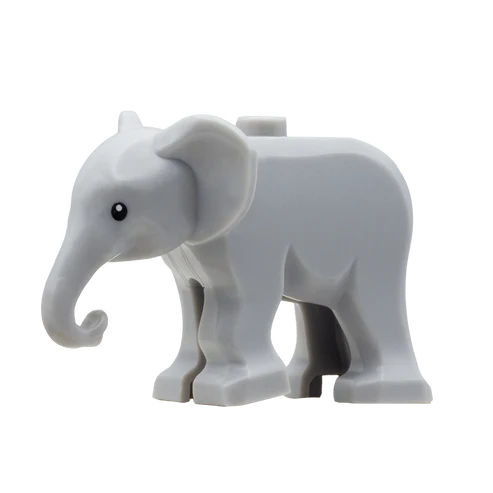
We looked at the Rider, the Elephant and the Path.
But every time I share that framework in a workshop, someone asks a very honest question:
"That's great for leaders. But what about me?"
It's a fair question.
Because culture doesn't change in a boardroom.
It changes when one person, in one moment, does something slightly differently from yesterday.
So in this new series, I want to bring the framework closer to home. The Rider, the Elephant and the Path don't just live in organisations.
They live in each of us.
The culture statement is not your action plan
Most organisations announce culture change in big words.
"We will be more collaborative.""We will embrace innovation.""We will take ownership."
These words make sense on a poster.
But they don't tell you what to do at 9.15am on a Tuesday.
And when the Rider doesn't know what to do, it keeps doing what it has always done.
That's not resistance.
That's a lack of clarity.
Translate "we" into "I"
The first step is to translate the organisation's language into your own.
Ask yourself:
If this culture were already true, what would I be doing differently this week?
"Collaboration" might mean asking a colleague from another team for input before the proposal is finished, not after.
"Ownership" might mean saying "I'll take this" in a meeting instead of waiting for someone to be assigned.
Small. Specific. Visible.
If you can't picture it, you can't do it.
Look for your own bright spots
The Heath brothers talk about finding the bright spots: places where the change is already working.
This applies to you too.
Think about a time you already showed the behaviour your organisation is asking for.
When did you give honest feedback well? When did you collaborate and it worked?
What was different about that moment? Who was there? What made it easier?
Your bright spots are evidence that you're capable of the change. Most of all, they show you how you do it best.
Script one critical move
You don't need to change everything.
Pick one behaviour that would make the biggest difference in your role, and script it.
Not "be more open to feedback."
But: "At the end of every project meeting, I'll ask one person: what's one thing I could have done better?"
A clear script helps the Rider stop overthinking.
Clarity is the beginning, not the end
Of course, knowing what to do is only the first step.
As we saw before, knowing is not the same as wanting.
In the next post, we'll look at the Elephant inside each of us: the emotions that quietly decide whether we actually move.
For now, try these three questions:
What does this change actually look like in my role?
When have I already done this well?
What is one behaviour I can script for this week?
Culture change may be announced by the organisation.
But it is lived by the individual.

Comments