Culture change starts with one person: Motivate your own Elephant

by Aaron Chan
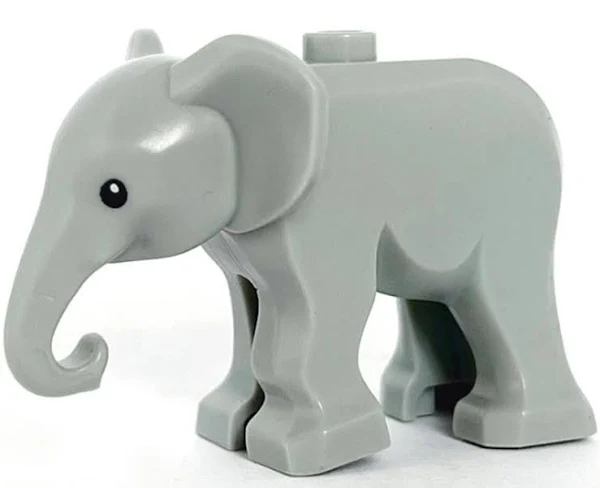
Quick recap. In Switch, Chip and Dan Heath borrow a picture from psychologist Jonathan Haidt. Each of us is a small Rider sitting on a large Elephant. The Rider is our rational side. It plans, analyses and sets direction. The Elephant is our emotional side. It wants comfort, it wants it now, and it does the actual moving.
Last time, we turned a vague value into one clear behaviour. A script for Tuesday morning.
So here's the question I get next: "I know exactly what to do. Why am I still not doing it?"
Because knowing is the Rider's job. Doing is the Elephant's.
Clarity doesn't move a six-tonne animal
The Rider can hold the reins. But when the Rider and the Elephant disagree about where to go, the Elephant wins. Every time.
That's why the plan you wrote on Monday is gone by Thursday. You didn't forget it. You got tired, the day got busy, and the old habit was easier.
Most culture change programmes stop at the Rider. A clear value, a clear behaviour, a clear poster. Then everyone is surprised when nothing moves.
If you want to change, you have to give the Elephant a reason to walk.
Find the feeling
The Elephant doesn't move for data. It moves for a feeling.
The Heaths tell the story of Jon Stegner, a manager who believed his company was wasting money on purchasing. Instead of a spreadsheet, he had an intern collect every type of work glove the company bought across its factories. There were 424 different kinds, some priced at more than double for the same glove. He piled them on the boardroom table, each tagged with its price. The executives walked in, saw the pile, and the change happened.
Same facts. Different feeling.
So ask yourself: what's the pile of gloves in my own change?
Not "collaboration improves outcomes." Something you can feel. The project that slipped because you finished it alone. The colleague who stopped bringing ideas to you. The look on your team's face when you said "just get it done."
Find the moment that stings a little. That's fuel.
Shrink the change
A big change scares the Elephant. A small one, it'll try.
Instead of "I'll be more collaborative," try: "Before I send the next proposal, I'll ask one person, 'What am I missing?'"
That's it. One question. One person. One proposal.
Small enough that you can't talk yourself out of it. And once you've done it once, you've already started. The Heaths make the same point with a car wash loyalty card: people with a card that already had two stamps were far more likely to finish it. Feeling partway there keeps us going.
So don't start at zero. Remind yourself of what you've already done right.
Grow your identity
The strongest reason to keep going isn't "it works." It's "this is who I am."
When a change feels like someone else's rule, the Elephant drags its feet. When it feels like me, it walks.
Try finishing this sentence: "I'm the kind of leader who..."
"...asks before I assume." "...lets people finish their sentences." "...owns the mess first."
Then, when you're stuck, ask: what would that leader do right now?
One more layer. Different people's Elephants are moved by different things. Using DISC: a high D is moved by a win, a high I by people and recognition, a high S by stability and the team being okay, a high C by getting it right. Know which one you are. That's the feeling to lead with.
Motivation gets you started. Your surroundings keep you going.
Even a willing Elephant gets tired. That's where the third part of the framework comes in, the Path: changing what's around you so the right behaviour becomes the easy one. That's Part 3.
For this week, take five minutes with three questions:
What's the pile of gloves in my change? What do I feel when I picture it?
What's the smallest step I could take before Friday?
"I'm the kind of leader who..." How would I finish that?
The Rider tells you where to go. The Elephant decides whether you get there.

Comments