Woody's Top 5 CliftonStrengths
- Interlock & Infinity

- Jul 6
- 4 min read
By Ren Chang, SOO
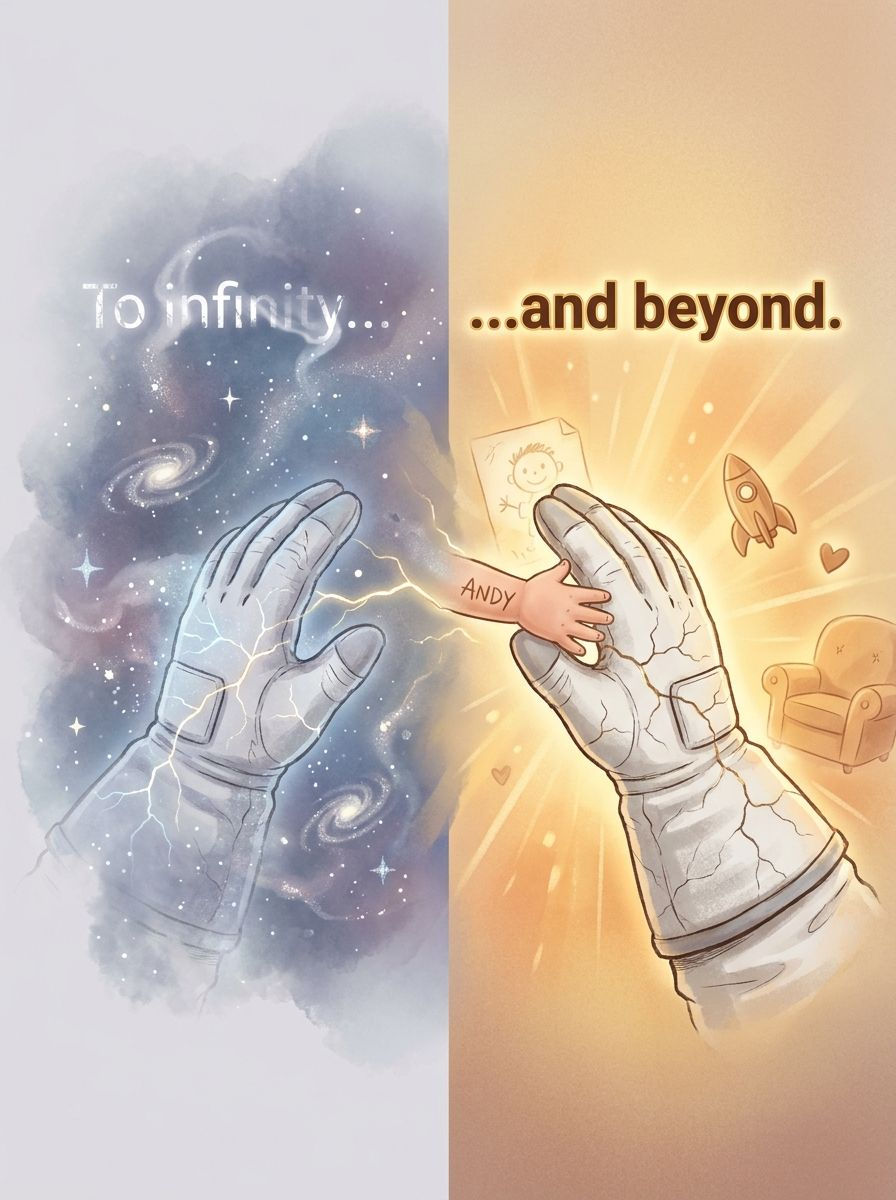
"I'm Andy's toy."
Four words. His entire identity. His purpose. His prison.
The cowboy who held staff meetings on the bed.
Who made sure no toy got left behind.
Who ran towards the moving van when everyone else froze.
Who jumped from a speeding RV to rescue a spork having an existential crisis.
What if the same strengths that make you a great leader are the ones that make letting go impossible?🤠🐎👢 Woody's Top 5 Strengths
Responsibility (Executing)
His entire identity is built on psychological ownership. He doesn't just feel obligated - he's emotionally bound to follow through. When Forky throws himself out of a moving RV, Woody doesn't hesitate. It's not smart. It's not safe. But it's his job.
Workplace: The one who stays late because "someone has to." The one whose good name depends on delivering what they promised.
Relator (Relationship Building)
"You're my favourite deputy." Woody doesn't need a crowd - he needs Andy. One deep relationship, built over years of being the favourite toy. He plays checkers with Slinky. He talks Jessie through her panic attacks. His loyalty isn't spread thin - it's concentrated on the people who matter most.
Workplace: The one who remembers your story. The one who shows up when it matters, not when it's convenient.
Strategic (Strategic Thinking)
Woody sees the chess board, not just the pieces. In every film, he's the one playing out scenarios: How do we get back to Andy? How do we escape Sunnyside? How do we rescue Forky? He spots patterns, anticipates obstacles, and finds the path forward when others see only dead ends.
Workplace: The one who asks "what if?" before committing. The one who sees three moves ahead.
Arranger (Executing)
Moving day logistics. Rescue missions. Escape plans. Woody is a conductor - managing all the variables, aligning and realigning until he finds the most productive configuration. When plans fall apart, he doesn't panic. He reconfigures on the fly, finding new paths and new partnerships.
Workplace: The one who juggles complexity with flexibility. The project manager who thrives in dynamic situations.
Developer (Relationship Building)
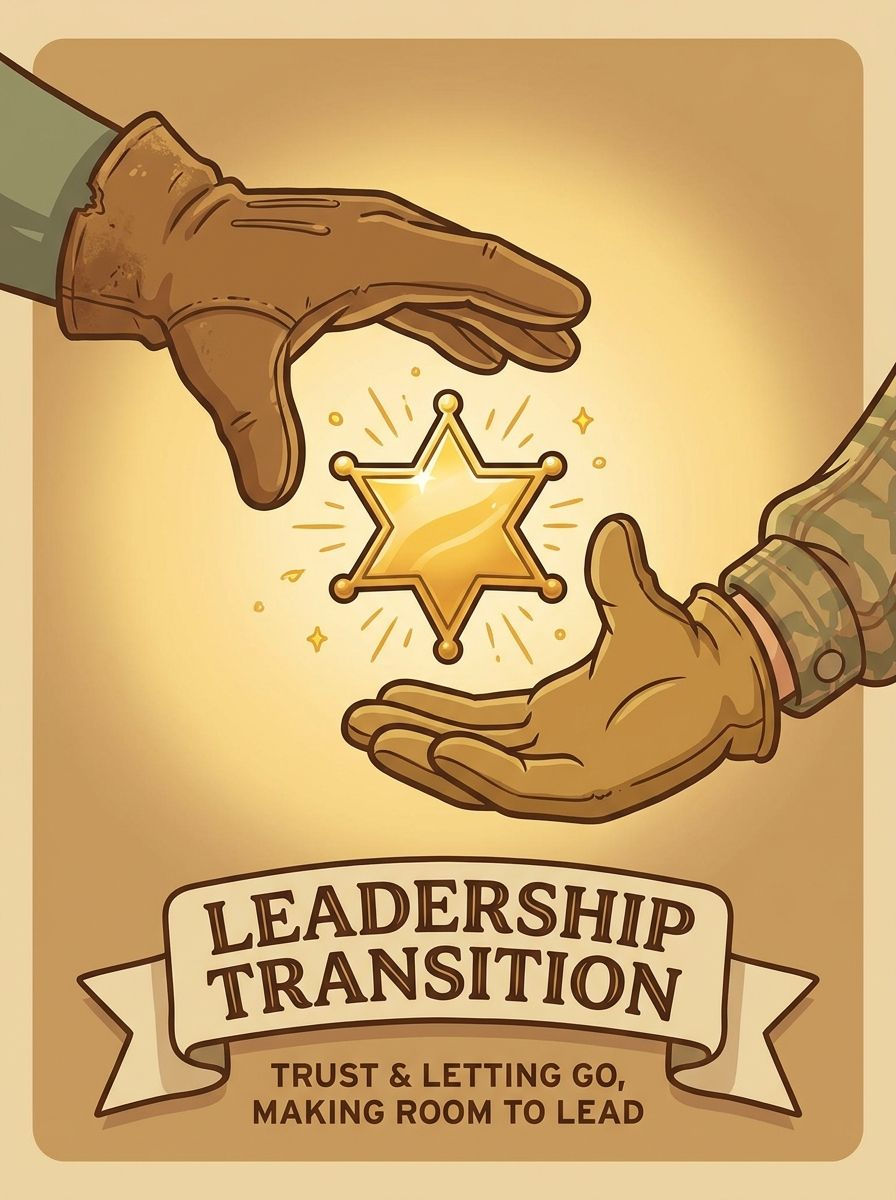
Woody sees potential in others before they see it themselves. He rescues Forky over and over - not because Forky understands his value, but because Woody does. He passes his sheriff badge to Jessie - not because she asked, but because he saw she was ready. He gives his voice box to Gabby Gabby - seeing the toy she could become, not the one she was.
Workplace: The one who mentors the new hire. The one who sees what you could become and helps you get there.
🎢 The Emotional Arc
Woody starts as Andy's favourite. Secure. Beloved. Irreplaceable. The centre of everything.
Then Buzz arrives, and Woody's identity crumbles. He schemes. He manipulates. He pushes Buzz out a window and pretends it was an accident. He nearly destroys himself trying to hold on to what he had.
In Toy Story 2, he faces a different temptation: immortality in a museum versus being loved by one kid.
In Toy Story 3, he chooses to face the incinerator with his friends rather than escape alone.
In Toy Story 4, he finally lets go - leaving Bonnie's room to become a lost toy helping other lost toys find their way.
Across four films, he learns the hardest lesson:
Leadership isn't about being Number 1. It's about making sure everyone belongs, even when that means stepping aside.⚠️ Strengths in Shadow
Responsibility becomes control. He can't delegate because no one else will do it right.
Relator becomes possessiveness. He's so devoted to Andy that he can't share - pushing Buzz out the window rather than making room.
Strategic becomes manipulation. He's so good at seeing angles that he uses them to get what he wants - like framing Buzz's fall as an accident.
Arranger becomes chaos addiction. He creates complexity to stay indispensable.
Developer becomes saviour complex. He's so invested in helping others that he forgets to help himself - giving away his voice box, his badge, his purpose.
Woody's need to hold the room together nearly tore it apart - because he couldn't let go.
✨ The Leadership Lesson
The best leaders don't hold on tighter when threatened.
They make more room.
Woody's growth wasn't about becoming less responsible. It was about letting others share the load. It was about trusting that the team could carry on - even without him at the centre.
I've been Woody.
The one who struggled when new talent arrived.
The one who stayed late because "someone has to."
The one who had to learn that holding on isn't the same as leading.
🔍 Audit Yourself
So ask yourself:
When did you last feel threatened by someone new on your team?
Did you make space for them, or protect your territory?
What would it look like to lead without needing to be the favourite?
Who could carry more if you let them?
You're not Andy's favourite anymore.
And that might be exactly what your team needs. 🤠🐎👢
Which of Woody's strengths do you relate to most?
Connect and share with me on LinkedIn.
More ways to connect with me.

Comments